

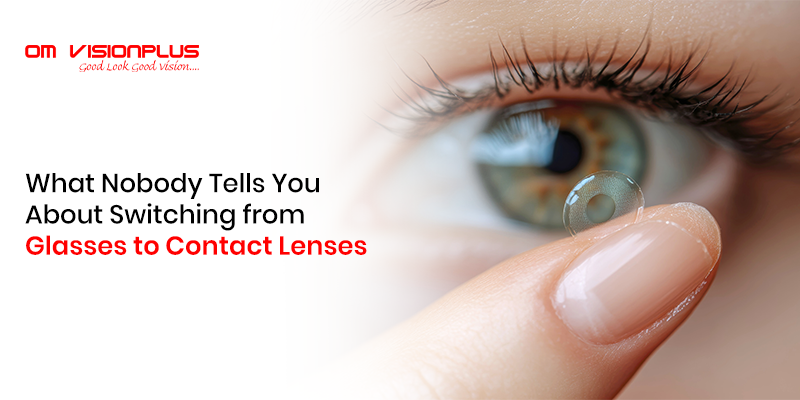
Glasses fog up the moment you walk into a room. Frames sliding down your nose mid-conversation and constantly pushing them back up like it’s your full-time job. Sound familiar?
That’s usually when people start seriously thinking about getting branded contact lenses near Kalinga Hospital. Many already wear them, and most never go back to glasses full-time. Freedom is real. The clarity is real. What nobody talks about, though, is everything in between: the adjustment, the dry eyes at 5 pm, the mild panic when a lens shifts off-centre.
Honestly? The first week. Not painful, but uncomfortable. Your eyes aren’t used to having something sitting on them, and even a good fit makes you oddly aware of your own blinking. Some adjust in two or three days, others take two weeks.
The other hard part is the routine. Glasses are simple. For contacts, you need to:
It may seem a lot, but in practice, it becomes muscle memory pretty quickly.
For most people, no. Once you’re past the first few days, you barely notice them.
The main thing to watch for is dryness later in the day, especially if you’re in air conditioning or staring at a screen for long stretches. Not a problem, just something to be aware of. A few things that help:
That last point matters more than people realise. Lenses aren’t one-size-fits-all. Some breathe better, some hold moisture longer. Getting properly fitted makes a real difference to how your eyes feel by the end of the day.
Most people feel comfortable within one to two weeks. The key is consistent wear. Taking long breaks keeps resetting the adjustment. A good way to start is to build up gradually. Four to six hours on day one, then add an hour or two each day. By the end of week one, most people can wear them through a full day.
One thing worth knowing: mild awareness is normal. Sharp discomfort, redness, or excessive tearing is not. If that happens, take the lens out and check with your eye care provider.
Read Next: Myths and Facts: The Truth About Contact Lenses
A few things first-time wearers are often surprised by:
Compared to glasses, yes, there is an ongoing cost. You are paying for the lenses, solution, case, and regular check-ups, and it does add up. A contact lens fitting also costs more than a standard glasses prescription check.
That said, how expensive it feels largely depends on the type of lens you choose. Daily disposables cost more per lens but eliminate the need for solution and cases. Monthly lenses cost less per lens but require more care and supplies.
In most cases, the convenience makes it worth it, but it’s important not to cut corners on what matters. Don’t stretch lenses past their replacement date, don’t skip solutions to save money, and don’t reuse your case without properly cleaning it. Most contact lens problems come from small hygiene shortcuts, not from wearing contacts themselves.
For most people, yes. Modern lenses, especially from reputable brands, are designed for safe daily wear. The materials used today allow much more oxygen to reach the eye than older lenses did, making all-day wear comfortable and sustainable. That said, there are a few practical things to keep in mind:
People with dry eyes or allergies may need a specific lens type, or may find that glasses-only days are necessary on particularly bad allergy days. That is not a reason to avoid contact; it is just a reason to have that conversation with someone who knows your eyes.
Switching to contacts feels bigger before you do it than after. You do. The first week has a learning curve and a few small surprises along the way, but it passes quickly. What you are left with is a wider vision, no frames sliding down your face, and no fogging up in the rain.
If you are looking for branded contact lenses near Damana, OM Visionplus is a good place to start. Contact us to walk through your options, get a proper fitting, and find the right lens for your eyes and lifestyle.
Yes, most prescriptions, including strong ones, can be corrected with contact lenses. A proper fitting will determine the right type for you.
At least once a year, or sooner if your eyes feel uncomfortable, red, or if your vision changes.
In many cases, yes. There are lenses specifically designed for dry eyes, though your eye doctor will need to recommend the right type for you.
Have questions about eyewear or eye care? Get in touch with OM Vision Plus for expert guidance, personalised service, and clear vision.